
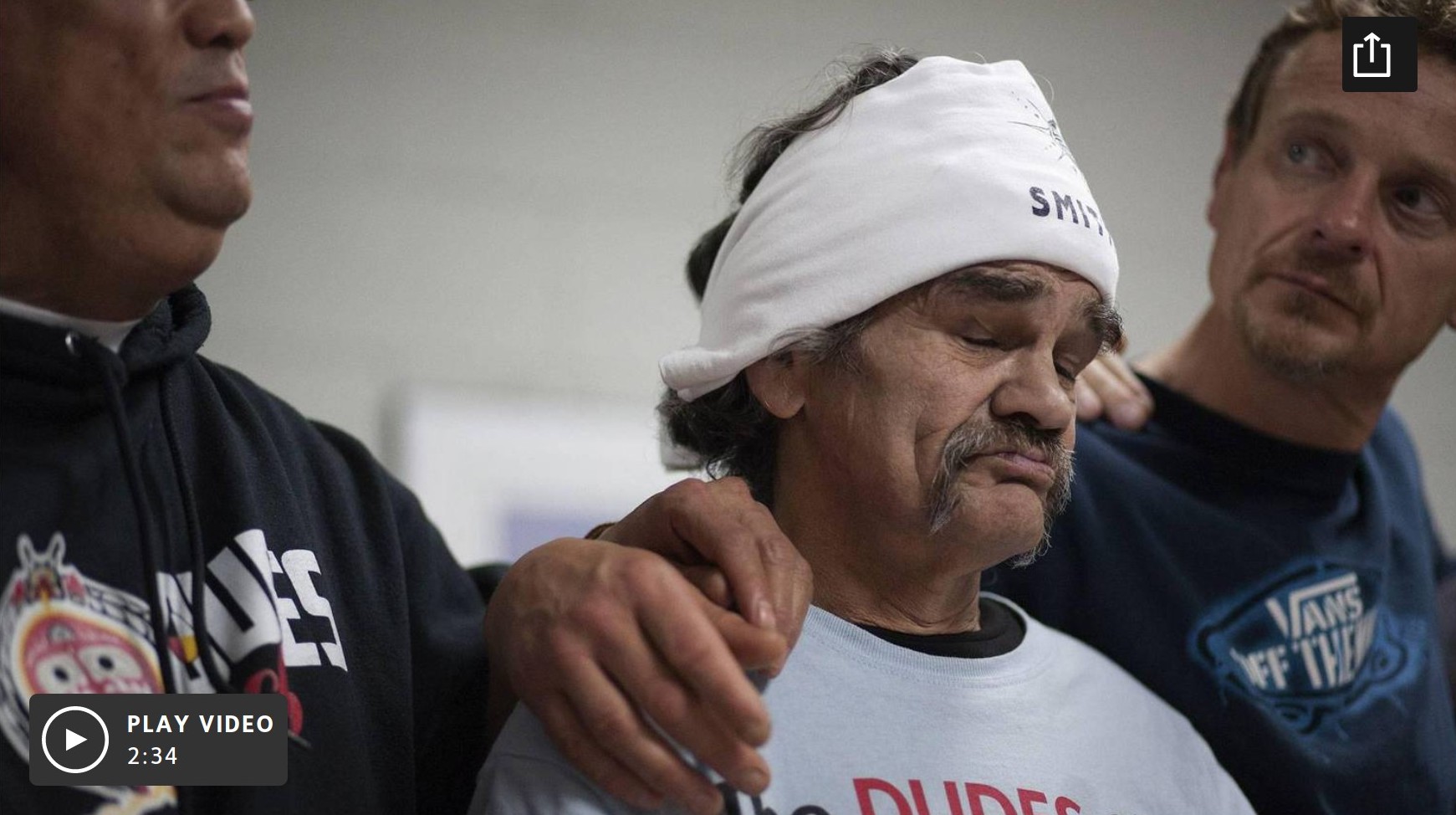
Indigenous communities lose men as well as women – to addiction, poverty and life on the street. Adriana Barton profiles the Dudes Club, a unique approach that not only heals the body but has found a way to restore the soul
-
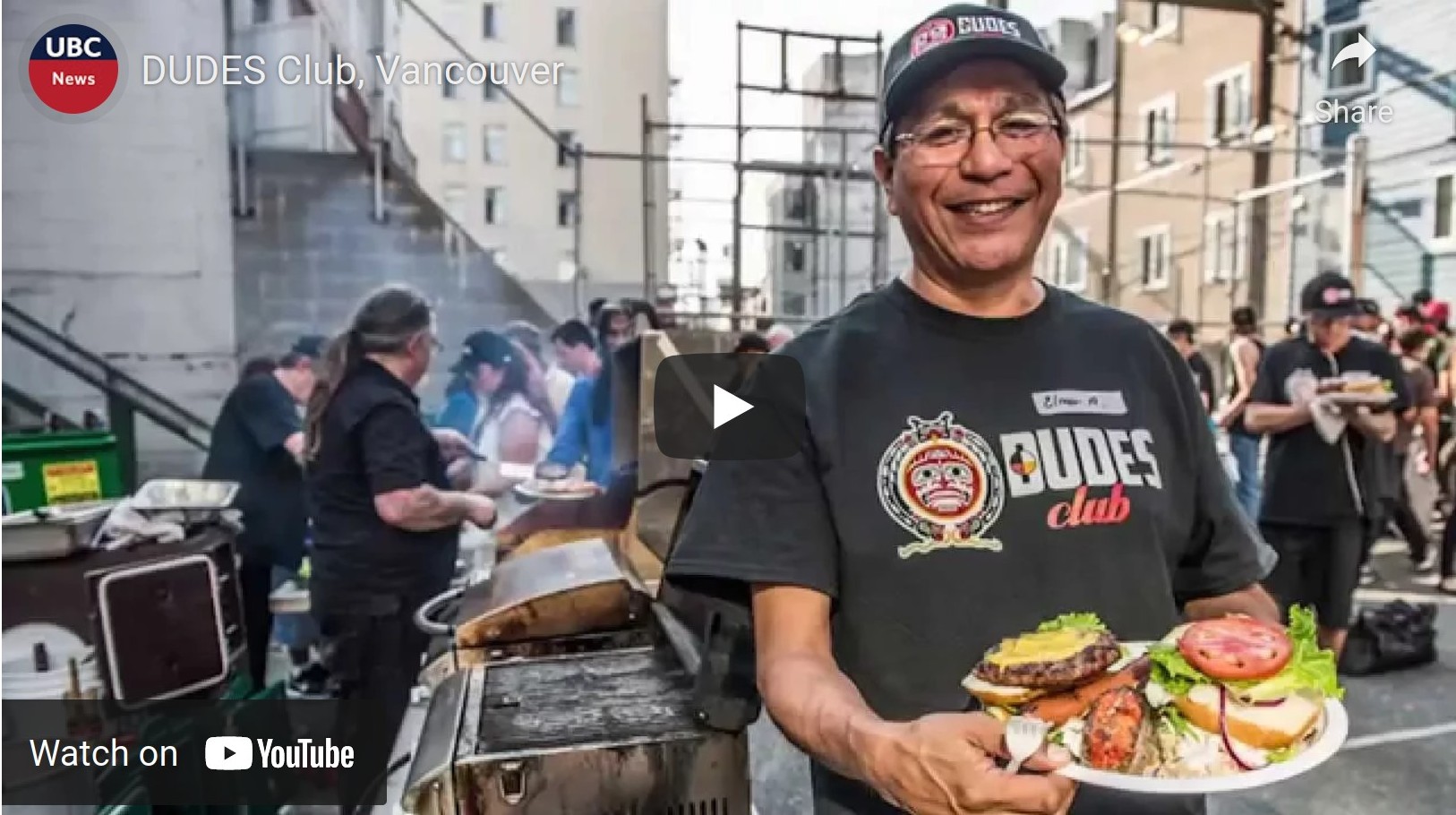
For dudes, by DUDES
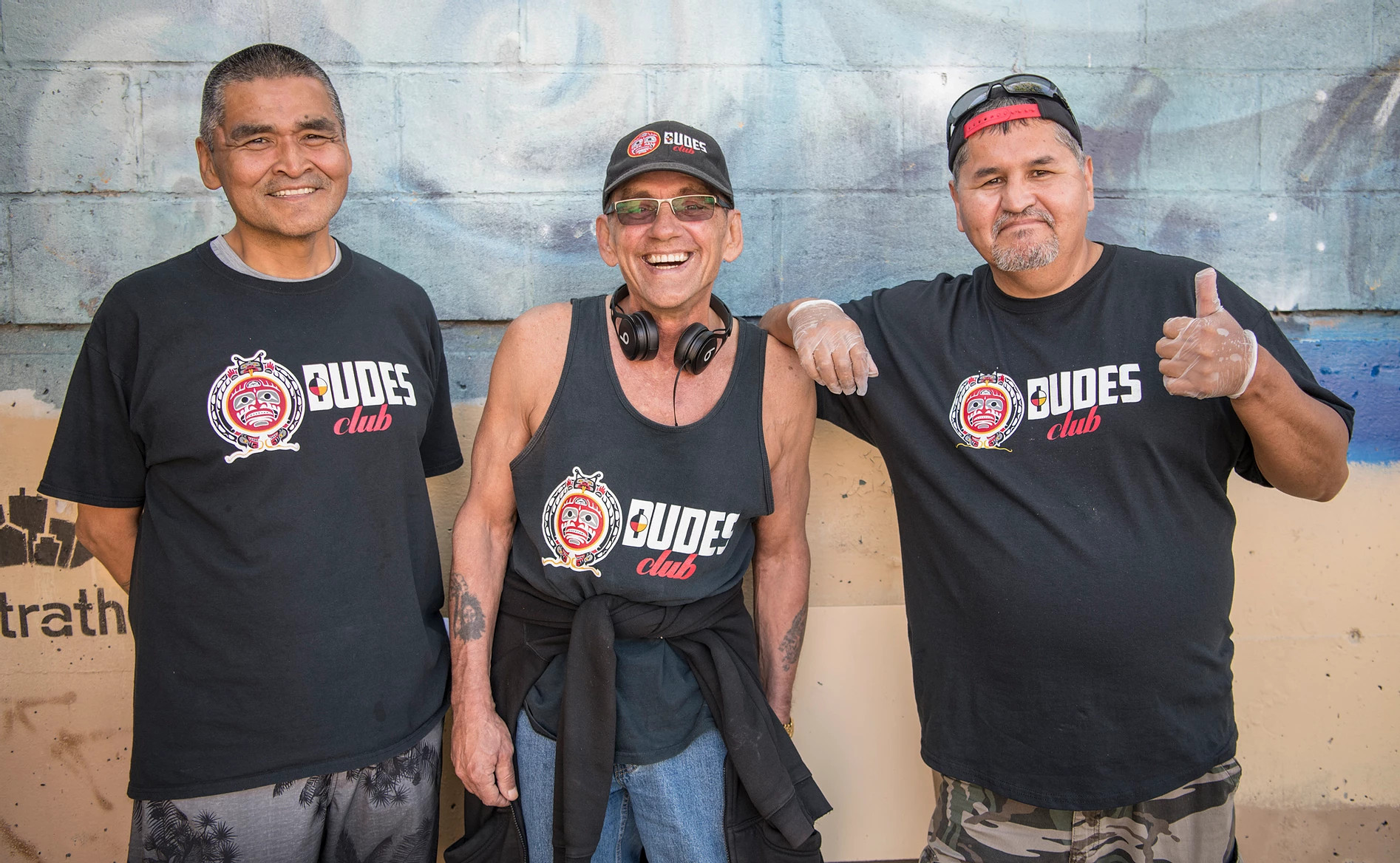
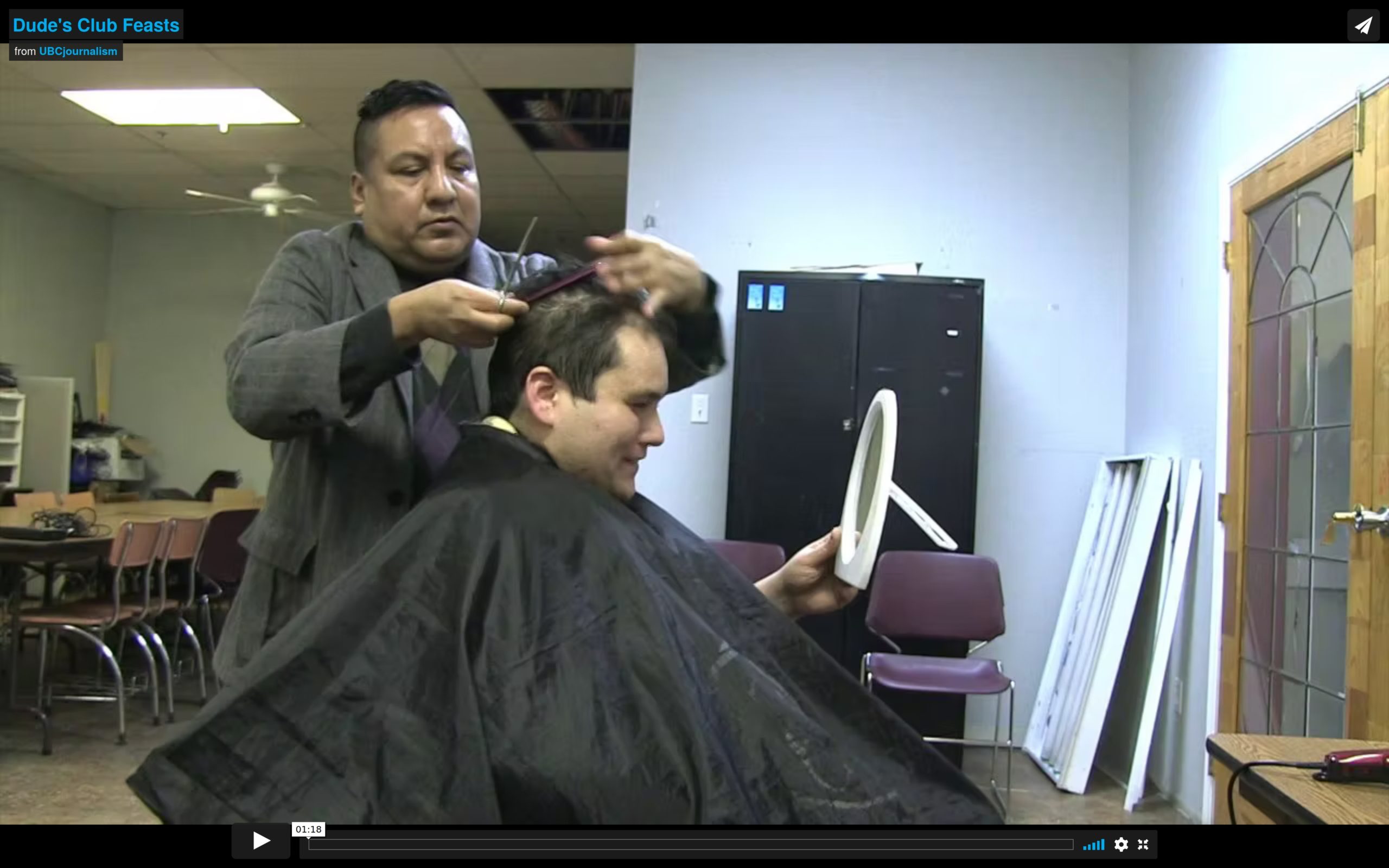
At first glance, 449 East Hastings is just one of the many older buildings in the Downtown Eastside. But it gets pretty lively every other Thursday when the DUDES Club—short for Downtown Urban Knights Defending Equality and Solidarity—holds its regular meetings. Fifty or 60 men, mostly aboriginal, have been going there regularly for the past five years to hang out, play a few rounds of bingo, enjoy a good meal, maybe get a free haircut—and talk about almost any health issue under the sun.
The club is a community outreach project of the Vancouver Native Health Society, in collaboration with the Movember-funded Men’s Depression and Suicide Network at UBC. According to its medical director and UBC clinical assistant professor Paul Gross, the appeal of the club is that it creates a safe, supportive place for men to talk about health, both physical and mental.
-
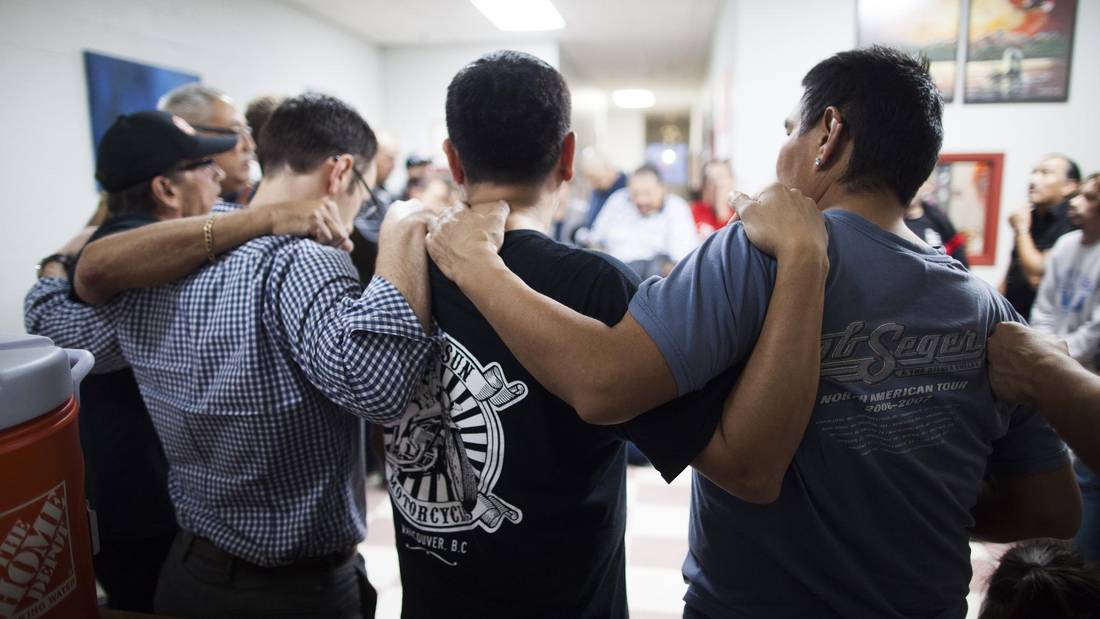
Downtown Eastside men’s health fair aims to build trust
A men’s health fair on the Downtown Eastside attracted 150 participants Thursday to be tested for oral cancers, depression, sexually transmitted infections or prostate disease. The third such event by the DUDES Club — short for the Downtown Urban Knights Defending Equality and Solidarity — generated a lineup down the 400-block of East Hastings as men registered to visit various health professionals inside. (The barbecue likely played a role in the turnout, too.)
-
Douglas Todd: Unprecedented effort to improve men’s mental health
Two months before comedian Robin Williams ended his life, a photo exhibit called Man-Up Against Suicide was drawing in audiences at the Foster Eastman art gallery in downtown Vancouver. The riveting exhibition featured the photographs of 25 men and women who have been shaken by male suicide. The display was funded by the Movember Foundation, the international men’s health initiative best known for its November moustaches campaign.
-
DTES dudes hang out to learn about health
By Valentina Ruiz Leotaud , in Health , on February 13, 2014
The lyrics to Ray Charles hit R&B tune “I Don’t Need no Doctor” are just as valid today as they were in the 60’s. Men do not like to go to the doctor.
While more than 11.5 million women had contact with a physician in the past year across Canada, the number of men who did so was considerably lower. According to a 1999-study published in the Journal of Family Practice, “men are less likely than women to actively seek medical care when they are ill, choosing instead to ‘tough it out’.”
The reasons for not being engaged with their own well-being vary, from men conforming to an expected social role of being strong, almost immune to any physical threat, to other barriers like having to disclose their vulnerabilities to a third person, or having difficulties keeping up with appointments.
In marginalized populations, the phenomenon worsens. That’s why the team that coordinates the Positive Outreach Program at Vancouver’s Native Health Society launched an initiative called Downtown Urban-knights Defending Equality and Solidarity.
The program, better known by its acronym Dude’s Club, tackles Downtown Eastside’s men’s health by approaching them in an informal setting.
-
The Dudes Club: A Brotherhood for Men’s Health
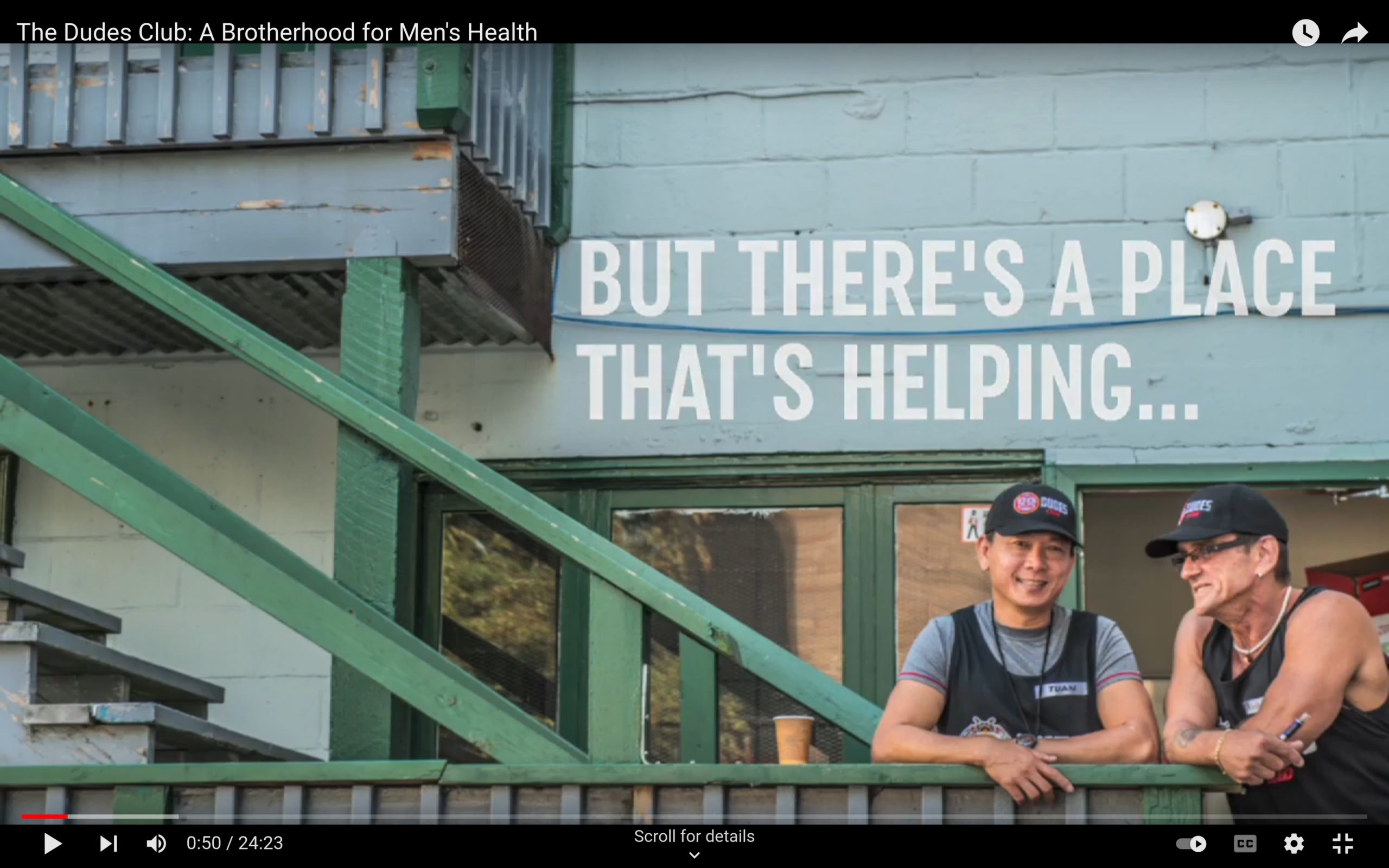
The DUDES Club provides events and activities that focus on the spiritual, physical, mental, emotional, and social aspects of wellness in men residing on Vancouver’s Downtown Eastside. It focuses on connecting men with health care professionals and other support services, as well as instilling a sense of solidarity and empowerment within the community.
-
Indigenous Masculinity with the DUDES Club
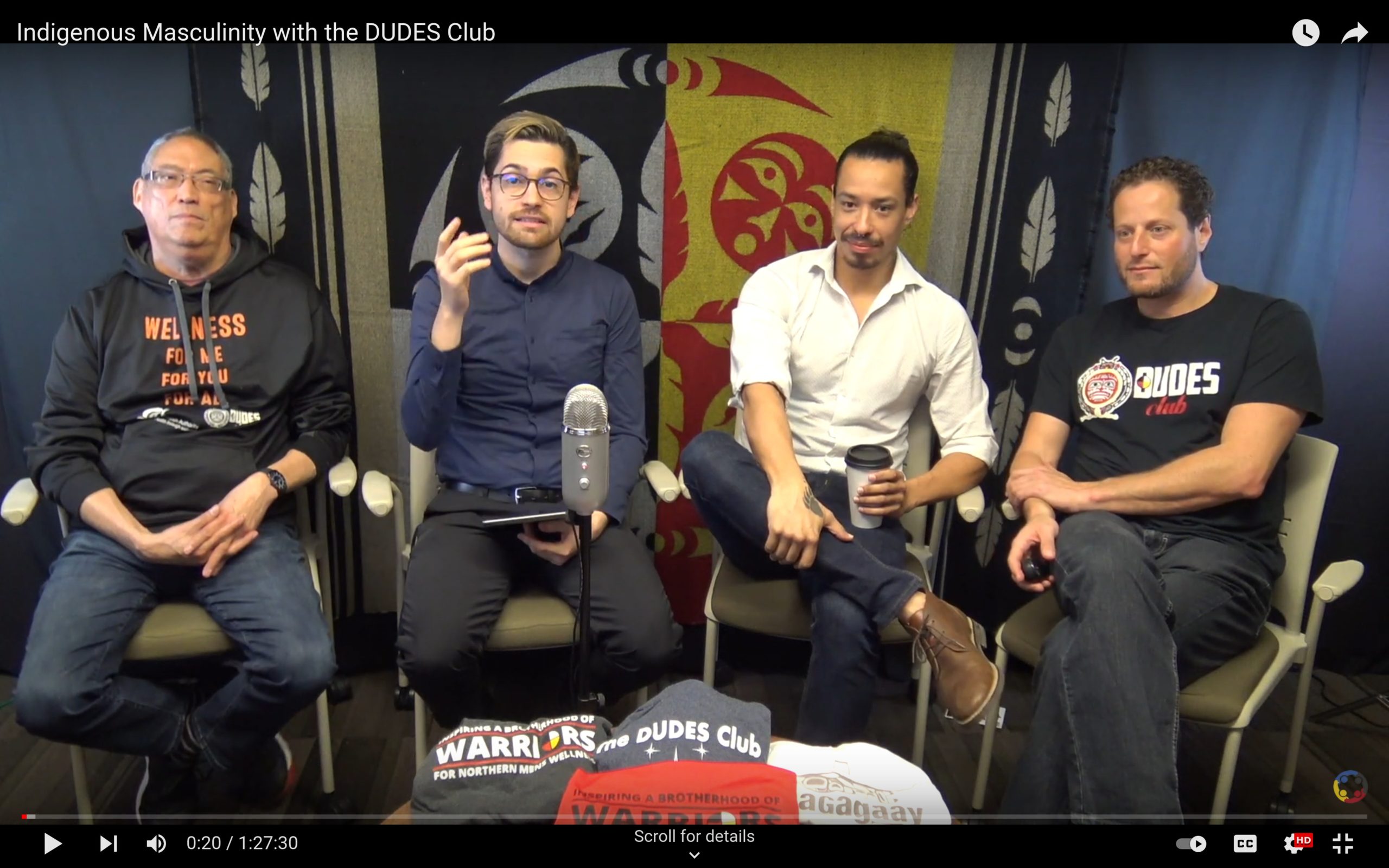
A discussion about indigenous masculinity with DUDES Club Society team members.
-
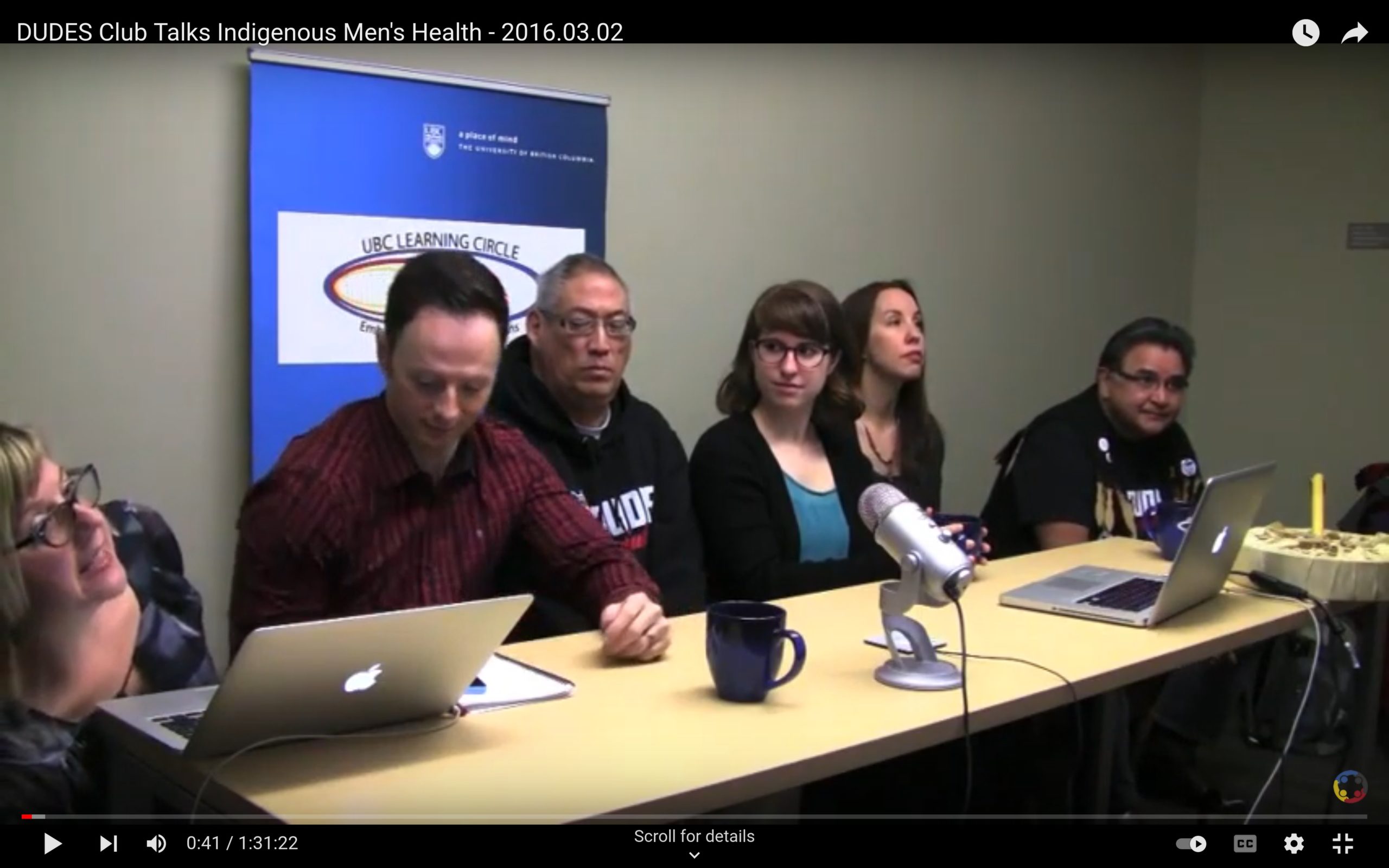
DUDES Club Talks Indigenous Men’s Health – 2016.03.02
Throughout the UBC Learning Circle session the Dude’s club, with help from Musqueam elder, Henry Charles, emphasizes the importance of traditional perspectives on health, such as the “Medicine Wheel” approach, along side of language and culture.
With garnered interest from the Movember Foundation, a research grant has allowed the research team to conduct an evaluation of the Vancouver program and to pilot this approach in Prince George, Smithers and on reserve in Moricetown. The DUDES club wishes to share their successful model with other communities.
-
‘Leave your armour at the door’: How bonding is helping Indigenous men heal body, mind and spirit
Every two weeks, a group of 50 or 60 men cram into a makeshift bingo hall in Vancouver’s poorest neighbourhood, the Downtown Eastside.
They share a hot meal, play bingo, get free haircuts — then they get real about their health, talking about everything from prostate cancer to sexual abuse, in sessions led by doctors and nurses.
It’s called DUDES Club, an acronym for Downtown Urban Knights Defending Equality and Solidarity.
“We have this phrase, ‘Leave your armour at the door,’” said long-time club member Robert Chippeway, 54.
“You just leave all your toxic masculinity at the door, feel free and everyone’s at the same level. And that’s where the magic happens.”
Chippeway was in rough shape when he first stumbled upon the group in 2010. After a decade of living in the Downtown Eastside, he was an alcoholic with a cocaine addiction, living with HIV and Stage 2 cirrhosis of the liver.
“My mental health was all over the place,” he recalled. “I was powerless and I felt hopelessness.”

Robert Chippeway, 54, is an honorary DUDES Club Champion and credits the group with getting him back on his feet after years living with addiction. (Submitted by Robert Chippeway) But he was encouraged by the club’s welcoming atmosphere, so he kept returning. He credits his fellow dudes for helping get him back on his feet again. “It’s very important, crucial, to my recovery,” he added.
The program is now fielding inquiries from community health providers worldwide who wonder if the key to improving men’s mental health is as simple as good, old-fashioned male bonding.
Overcoming loneliness
The Vancouver Native Health Society started DUDES Club in 2010, after male patients at its HIV drop-in clinic repeatedly talked about being lonely.
“They all identified loneliness as their main mental health concern … it manifests in substance use, depression, anxiety, and PTSD,” said Dr. Paul Gross, a family physician and co-founder of the men’s health group.
“So, [we were] just trying to be a sanctuary, a safe space where men can come and connect.”

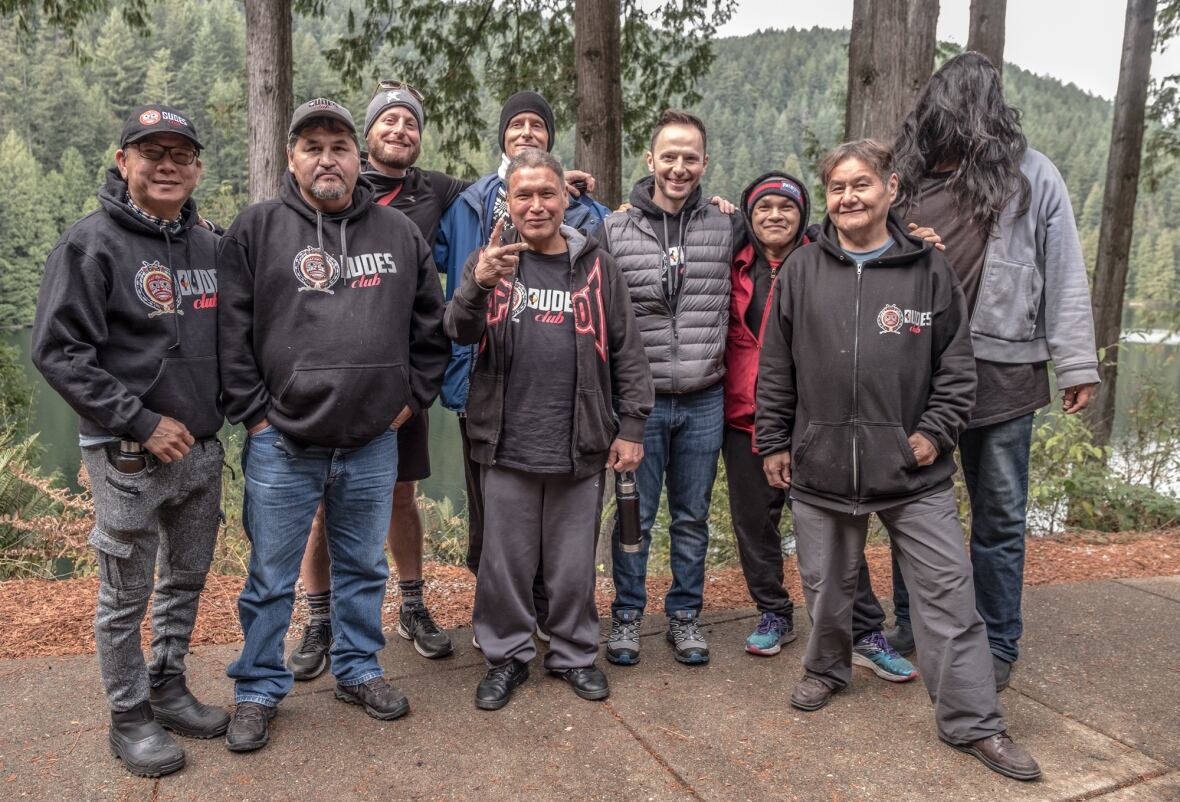
DUDES Club members are pictured during an outing to Loon Lake, B.C. (Jeff Topham/DUDES Club) In addition to the bi-weekly dinner and bingo, the men take outings to sports events and go camping.
But the backbone of the program remains discussions about health. Once a year, the dudes also gather for a wellness fair, where medical tests are offered.
Gross says the club’s social aspects are essential to coaxing men to open up about health.
“There’s an expectation, constructed over centuries, of what is expected of men. Stoicism and courage in the face of any suffering. And don’t show emotion, don’t show weakness. Don’t ask for help if you absolutely don’t need it,” said Gross.
“That narrative has been responsible, we believe, for a lot of the trend over the past decades in terms of toxic masculinity, gender-based violence and harassment in the workplace.”
Brotherhood of solidarity
About two-thirds of DUDES Club members identify as Indigenous.
Sandy Lambert, a member of Tallcree First Nation in Alberta and DUDES Club resident elder, says he’s met many Indigenous men who avoid hospitals and medical clinics, even if they require urgent care.
“They just didn’t feel any trust with the health-care system because of all the stigma and discrimination that happens. I thought, ‘Well, maybe, as a human being, I can help my brothers out there.’”
Persuading men to talk is no “overnight fix,” says Lambert, but he believes it helps to combine Western medical treatment with Indigenous healing traditions such as the medicine wheel.
“I know my people used to sit in the teepees, and the men and women would have their own talking circles. So, for generations and generations, we did that,” said Lambert.

Sandy Lambert is an elder external liaison for DUDES Club. (DUDES Club) Research suggests that the DUDES Club model shows benefits. A three-year study by the University of British Columbia found that participants’ mental, physical, emotional and spiritual health improves in the program’s safe, non-judgmental environment.
“Part of what we try to do is to encourage men to move along the spectrum from curious to serious about their health and wellness,” said Gross.
Elders and cooks receive honoraria, but the group relies primarily on volunteers, including Gross, which allows the club to operate on a budget of approximately $25,000 a year.
The program’s cost-effectiveness has led to the launch of satellite clubs in seven communities across B.C., including Kamloops, Smithers and Prince George, in addition to its 32 clubs in partnership with the First Nations Health Authority.
‘It reconnected me to my spiritual being’
Robert Chippeway still marvels at how the brotherhood helped him clean up his health, recalling a critical moment in his recovery that took place one evening at DUDES Club.
“I stood up there and said, ‘Hey guys, this is really good for me. I’m actually one-year sober today.’ The whole group applauded … I was super proud.”

Community members gather at a health fair hosted by DUDES Club in 2014. (Jeff Topham/DUDES Club) Chippeway has been sober for nearly four years, and he’s managing his HIV with medication. He also began exploring his Ojibway heritage, which he’d long felt alienated from.
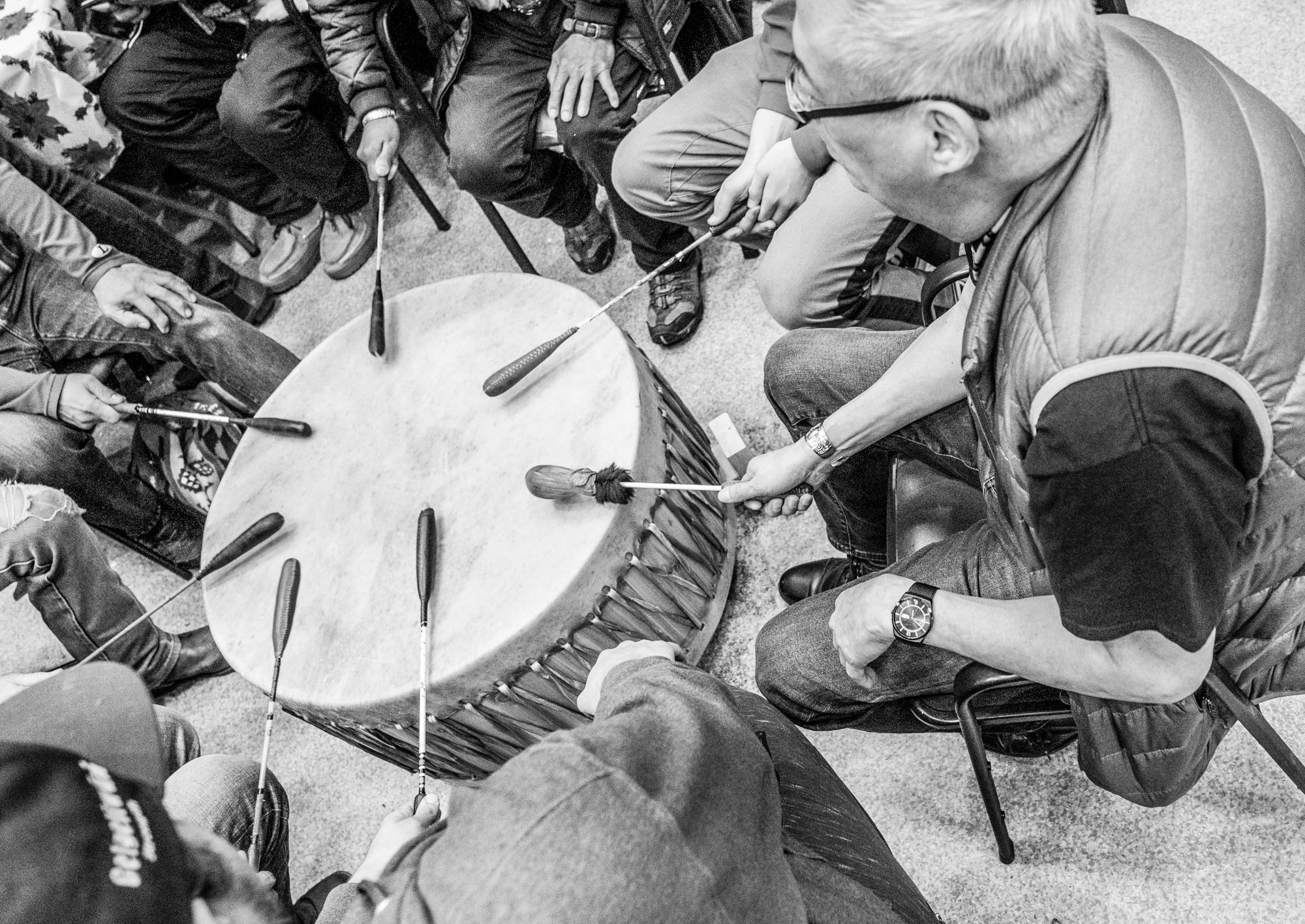
“I’m more involved in singing and making drums and going to sweats and stuff like that. It reconnected me to my spiritual being,” he said.
Chippeway also reconnected with his family, eventually moving to Coquitlam to live with his brother, sister and father.
He was recently named a DUDES Club Champion, which means he helps organize dinners and plan outings for the men. Though he no longer calls the Downtown Eastside home, Chippeway still makes time for the dudes.
“Just the bonding, being in a room full of men with men, the messages from the doctor … it’s just amazing,” he said.
-
Lyana Patrick: Dudes Club and Movember – Indigenous men taking ownership of their health
Why do so many men grow moustaches every November? It started in Australia in 2003 when a small group of men grew moustaches to support men’s health and prostate cancer. From humble beginnings, the Movember movement has focused important international attention on issues like men’s mental health and suicide prevention, as well as prostate and testicular cancer.
But can a moustache save a life? According to Dudes Club members, it can.
Dudes Club is an innovative, community-driven men’s health program incorporating Indigenous approaches to healing and wellness. With help from Movember, a three-year research project with the Dudes Club demonstrated how a grassroots initiative could be mobilized to work by, for and with Indigenous men.
Research shows that men in general are less likely to seek medical attention than women, in addition to being three times more likely than women to die by suicide. Indigenous men’s health is further impacted by a lack of research on health services directed specifically at Indigenous men. In addition to the impacts of harmful masculine norms such as being “strong and silent,” independent and emotionless, Indigenous men endure the impacts of historical injustices through ongoing experiences of racism, violence and social exclusion.
As an Indigenous health researcher, I am interested in community health and well-being, particularly in urban areas. I study gendered experiences of colonization and their impacts on Indigenous peoples and communities. Through my research with Dudes Club, I worked with community partners, elders, health-care practitioners and Dudes Club members to better understand Indigenous men’s health and extend the model throughout British Columbia.
Dudes Club started in Vancouver Native Health Society in 2010. It has since grown into a national model for men’s health and well-being, with 40 sites throughout B.C. and two nationally.
During weekly “think tanks” at the Vancouver club, members choose topics for biweekly sessions. This gives members a sense of ownership over the process and empowers them to take control of their own health. The presence of a health professional at most sites makes health information accessible for men who don’t usually seek out such information.
A survey of 150 men at the Vancouver Dudes Club demonstrated that most came from a context of disenfranchisement, such as unstable housing, unemployment and poverty. In addition, many of the men live with complex histories of trauma, mental health and/or substance use issues. In the face of structural and systemic barriers, the research showed how important community connection and belonging are to mental, physical and emotional health.
Fourteen focus groups were conducted with men in Vancouver, Prince George and Smithers. In these groups, men described Dudes Club as a place where they can feel purpose and belonging, where they can work together to build peer support networks and engage in community advocacy. The research demonstrated that safety and trust are crucial for men taking ownership over their health. Dudes Club builds safety and trust because it is confidential, includes health professionals who understand members’ reality, and encourages strong peer relationships where respectful listening is the norm.
For men who attend often, the Dudes Club makes them feel more connected to others and improves their quality of life, meaning those who attend more often benefit more from the program. One elder described Dudes Club as a “safe haven.” Its informal motto — “leave your armour at the door” — demonstrates that Dudes Club is a safe space in which to challenge ideas of masculinity that say men have to be the “tough guy.” These ideas have prevented men from seeking health information and created disparities that have persisted for generations.
While Dudes Club is available to all men, many Indigenous men (63 per cent in the Vancouver Dudes Club) access the program through a partnership with the First Nations Health Authority. The presence of elders at Dudes Clubs is important, not only for the cultural knowledge they share, but for the humour and love they bring to the gatherings.
Ultimately, the Dudes Club is not just about men’s health and well-being. It is about the health of communities, women, youth, children and elders. Dudes Club reminds men that they are part of a community that values them even as mainstream social supports and health services fail them and their communities over and over again.
Dudes Club holds great value as a grassroots health promotion and community wellness model for all people who identify as male. It is a simple yet powerful example of grassroots community organizing that is helping us better understand how intersecting factors (including gender, culture and experiences of colonization) can impact people differently.
So, yes: Moustaches can save lives.
Lyana Patrick is assistant professor of Indigenous Health at Simon Fraser University. This article originally appeared online at theconversation.com, an independent source of news and views, from the academic and research community.